
Unraveling the Mystique of Amanita Muscaria Today
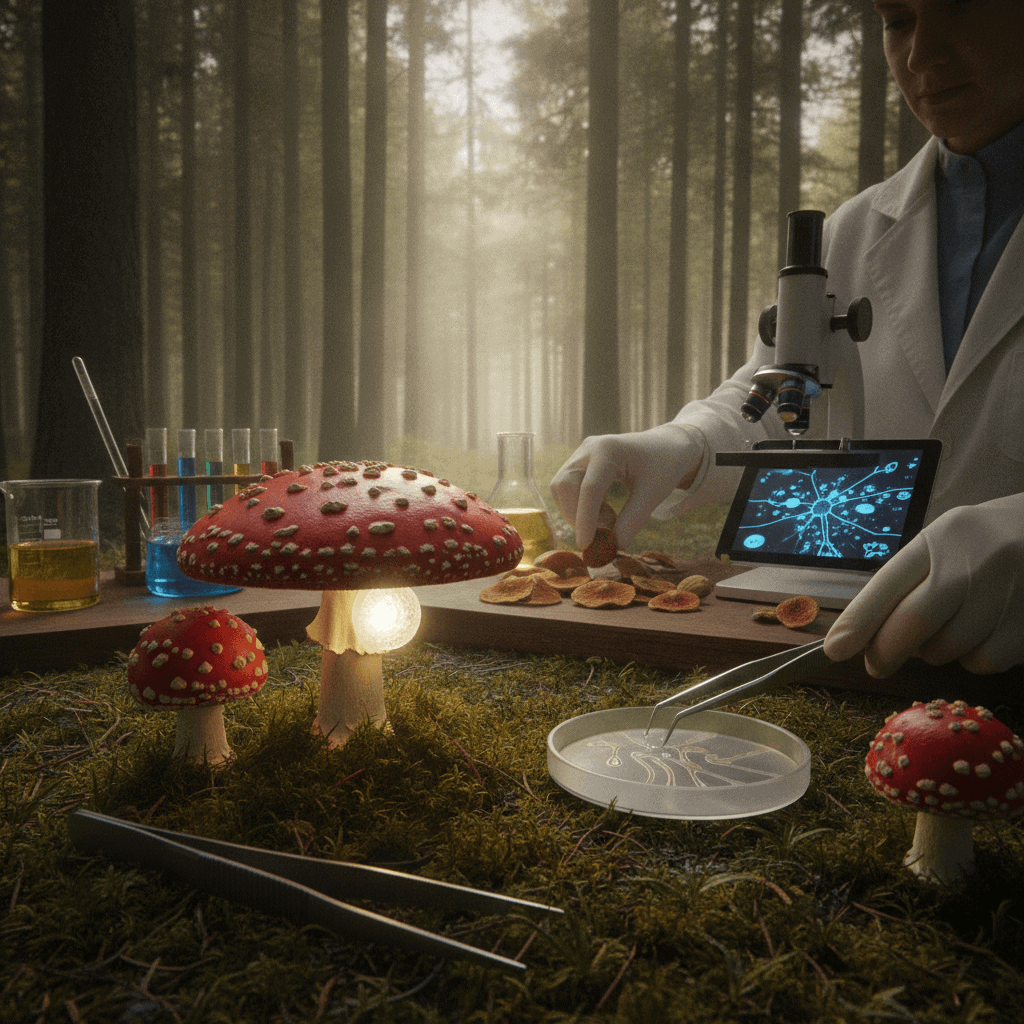
Amanita Muscaria is a mushroom that immediately captures attention with its striking red cap dotted with white flakes. It is an iconic image in folklore and popular culture, known worldwide. For centuries, this fungus has held a special place in the traditions of various communities, often seen as a bridge to other realms.
I have always found its presence in nature to be quite captivating. Its appearance hints at something more than just a simple forest mushroom. This unique look sparked curiosity in many ancient civilizations and continues to do so today.
Today we are seeing a renewed interest in Amanita Muscaria, not just for its historical significance but also for its potential wellness applications. People are looking deeper into what makes this mushroom tick, moving past myths to scientific understanding. We will explore its fascinating past and current place in the modern world.
The Ancient Roots of the Fly Agaric
The history of Amanita Muscaria, often called the fly agaric, is long and filled with intrigue. Across many ancient cultures, this mushroom was a central part of spiritual practices and folklore. Its vibrant colors often made it stand out as something sacred or mystical.
For Siberian shamans, Amanita Muscaria was a powerful tool used in ceremonial rites. They believed it allowed them to communicate with spirits and gain insights. These traditions highlight a deep respect and cautious approach to the mushroom’s properties.
European folklore also features the fly agaric prominently, sometimes depicting it as a magical element in fairy tales. We see it in illustrations as a home for forest sprites and other mystical creatures. This imagery reflects a long-standing fascination with its unique appearance and potent effects.
My own studies into ethnobotany show how widely this mushroom was recognized. Different cultures often developed unique ways of preparing and using it. These methods were passed down through generations, ensuring both safety and the intended effects.
What Exactly is Amanita Muscaria?
Amanita Muscaria is a species of mushroom easily recognized by its distinctive look. It has a bright red or orange cap, usually adorned with white or yellowish spots. It grows commonly in coniferous and deciduous forests across the Northern Hemisphere.
People sometimes confuse Amanita Muscaria with other types of mushrooms because of its unique properties. It is important to know that it contains different psychoactive compounds than psilocybin mushrooms. This means it offers a distinctly different experience.
The mushroom’s common name, “fly agaric,” comes from its historical use as an insecticide. People would break up the mushroom into milk, which would then attract and sedate flies. This practical application shows another side of its interaction with humans throughout history.
Researchers are still learning about its chemical makeup and biological functions. There is a growing body of knowledge that helps us appreciate this mushroom for what it truly is. We can understand its place in nature and culture better with this information. You can read more about its presence in a storied botanical revival.
Understanding Muscimol
The primary psychoactive compound in Amanita Muscaria is muscimol. This compound is a potent GABA-A receptor agonist, which means it can have sedative and hypnotic effects. Muscimol is largely responsible for the relaxing and sometimes dissociative experiences people report.
It is important to understand that muscimol is not naturally abundant in the raw mushroom. It comes from the decarboxylation of ibotenic acid, which happens during drying or heating. This process is crucial for traditional preparations.
The Role of Ibotenic Acid
Ibotenic acid is another compound found in Amanita Muscaria. In its raw form, this acid can be toxic and neurotoxic. It can cause nausea vomiting and a range of discomforting physical symptoms.
This is why proper preparation is so vital when working with Amanita Muscaria. Converting ibotenic acid into muscimol reduces its toxicity significantly. This transformation makes the mushroom more manageable and predictable.
Key Compounds and Their Effects
Understanding the chemistry of Amanita Muscaria is key to unraveling its mystique. The two main compounds, muscimol and ibotenic acid, work together but also have individual effects. Their presence dictates how the mushroom impacts the human body.
When someone consumes raw Amanita Muscaria, they primarily ingest ibotenic acid. This compound acts as a neurotoxin and can cause unpleasant effects. These include stomach upset, sweating, and dizziness. Ibotenic acid also converts to muscimol in the body, but this conversion can be unpredictable.
The process of decarboxylation changes ibotenic acid into muscimol. This typically involves drying or boiling the mushrooms. This conversion is why many traditional methods involve heating the mushroom before consumption. It is a critical step for safety and to achieve the desired effects.
Muscimol then acts on GABA receptors in the brain. This can lead to a sense of calmness, relaxation and sometimes a dream-like state. Many users describe feelings of euphoria or a shift in perception. The effects can vary widely based on dosage and individual sensitivity.
Traditional Preparations and Modern Interest
Ancient cultures did not just eat Amanita Muscaria raw because they understood the need for careful preparation. They developed specific methods to reduce the unwanted effects of ibotenic acid. These practices highlight a deep traditional knowledge of the mushroom.
One common traditional preparation involved drying the mushrooms. Sometimes they would be dried near a fire, which helped convert ibotenic acid into muscimol. Other methods included boiling the mushrooms in water, discarding the water, and then consuming the mushroom flesh.
These methods were not random; they were part of a learned tradition of harm reduction. The people who used Amanita Muscaria for spiritual or medicinal purposes valued the safety of their community. This focus on preparation is a testament to their understanding of the mushroom’s power.
Today, this historical knowledge informs modern approaches to Amanita Muscaria. As interest in its potential benefits grows, people are seeking safe and effective ways to use it. This often means careful drying, simmering, or extraction processes to maximize muscimol and minimize ibotenic acid.
The resurgence of interest also comes from a broader cultural shift towards natural wellness products. People are curious about ancient botanicals and their applications in contemporary life. We are seeing new products like gummies and tinctures appearing on the market. These products aim to offer a more standardized and predictable experience.
Safety and Responsible Exploration
Exploring Amanita Muscaria requires a strong commitment to safety and responsibility. This mushroom is not like edible button mushrooms you find at the grocery store. It demands respect and careful handling.
The first step in responsible use is proper identification. There are other mushrooms that look similar to Amanita Muscaria, but some are deadly. I always advise against foraging for mushrooms unless you are an expert and have proper training. Misidentification can have tragic consequences.
Once you are certain of identification or sourcing from a reputable vendor, careful preparation is next. As I mentioned, raw Amanita Muscaria contains ibotenic acid, which can be quite unpleasant. It is important to reduce this compound.
Avoiding Misidentification
I cannot stress enough the importance of being absolutely sure about your mushroom. There are many mushroom identification guides available. However, a novice can easily make a mistake between a harmless mushroom and a toxic one. Even experienced foragers sometimes err.
If you are considering consuming Amanita Muscaria, I recommend buying products from trusted sources. These products should clearly state their processing methods and the levels of muscimol and ibotenic acid. This gives you a better chance of a predictable experience.
Proper Preparation is Key
For those who wish to prepare Amanita Muscaria at home, drying is a common method. This can be done by air drying or using a dehydrator at low temperatures. Some people also boil the mushrooms, sometimes several times, to further reduce ibotenic acid. This is often followed by consumption of the mushroom or its infused liquid.
Always start with a very low dose when experimenting with any new substance. This allows your body to react gradually. You can then adjust the dosage slowly over time if you choose. Listening to your body is very important for a safe experience.
Legal Status and Accessibility Today
The legal status of Amanita Muscaria can be confusing. It is generally legal in many parts of the world, including the United States, because it is not scheduled under the Controlled Substances Act. This means it is not considered an illegal drug at the federal level.
However, specific states or countries might have their own regulations. For example, Louisiana has a specific law against its possession or sale for human consumption. It is always wise to check local laws before buying or using Amanita Muscaria. Ignorance of the law is not an excuse.
Because of its legal status, Amanita Muscaria products are becoming more widely available. You can find dried mushrooms, extracts, and other forms online and in some specialty shops. This accessibility makes it easier for people to explore its potential, but also increases the need for consumer education.
I have observed that the market for Amanita Muscaria is growing rapidly. Many vendors are focused on creating products that are safer and more consistent. They aim to reduce the ibotenic acid content through specific processing techniques. This helps provide a more reliable product for consumers.
When purchasing, look for transparency from the seller. They should provide information on their sourcing, processing, and lab testing. This allows you to make an informed decision and ensures you are getting a quality product. Always be a critical consumer.
Looking Ahead: Research and Future Understanding
The renewed interest in Amanita Muscaria is driving more scientific research. Scientists are studying its compounds, muscimol and ibotenic acid, more closely. They want to understand their exact mechanisms of action and potential therapeutic applications.
Early research suggests that muscimol might have properties that help with sleep and anxiety. Some studies are exploring its potential in managing pain or neurological conditions. These are exciting possibilities, but much more research is needed to confirm these effects.
I believe that as more studies are conducted, we will gain a clearer picture of this mushroom’s full potential. The scientific community is approaching Amanita Muscaria with renewed curiosity, shedding light on old mysteries. This systematic approach is crucial for moving beyond anecdotal evidence.
We might see new standardized extracts or pharmaceutical applications in the future. The goal would be to harness the beneficial aspects while eliminating risks. This would make it a more predictable and safe option for those who could benefit from its effects.
The future of Amanita Muscaria in wellness and medicine looks promising. It shows how traditional knowledge, combined with modern science, can lead to new discoveries. We are at the beginning of understanding this ancient botanical in a whole new way.
Conclusion: Embracing the Future of a Fabled Fungus
Unraveling the mystique of Amanita Muscaria today has shown us a fungus rich in history and potential. It has been a central figure in human culture for centuries, inspiring folklore and spiritual practices across the globe. We have learned that its iconic appearance is matched by a complex chemistry, primarily involving muscimol and ibotenic acid. The journey to understand this mushroom better is ongoing, marked by a fascinating interplay of ancient wisdom and modern scientific inquiry. We recognize the importance of careful preparation to mitigate its inherent risks, making its exploration safer and more predictable. The current resurgence of interest, coupled with its generally legal status, points towards a future where its applications in wellness and beyond are further explored through rigorous research. It is clear that Amanita Muscaria is more than just a red and white mushroom; it is a symbol of our continuous human desire to connect with nature and understand its profound secrets. As we look ahead, I encourage everyone to approach Amanita Muscaria with respect, curiosity, and a commitment to responsible practices. Always seek reliable information, understand local regulations, and prioritize safety in all your explorations of this captivating botanical. The knowledge we gain today helps us appreciate its past and prepare for its future.


